


Winter in Alberta brings gorgeous snow-covered trails, but it also brings sub-zero temperatures, freezing ice, and heavy road salt. For our dogs, winter walks can quickly lead to cracked pads, painful chemical burns, or even serious paw infections if we aren't careful.
Having gone through a painful paw infection with my own dog during an Alberta winter, I learned firsthand how easily cold-weather hazards can compromise a dog's paws. In this guide, we'll cover the biggest winter paw hazards, how to prevent ice and salt damage, and how to spot early signs of infection.
As an Amazon Associate, I earn from qualifying purchases at no extra cost to you.
1. The Biggest Winter Hazards for Dog Paws
Walking on ice and snow isn't just cold—it poses three major risks:
-
Road Salt and De-Icers: Traditional rock salt pulls moisture out of your dog's paw pads, causing painful drying and cracking. Worse, standard chemical de-icers can cause chemical burns or toxic reactions if licked off.
-
Ice Balls Between Toes: Long-haired dogs often collect hard snow clumps between their toe pads. As these melt and refreeze, they act like sharp rocks pressing against sensitive skin, creating small cuts.
-
Extreme Cold & Frostbite: Prolonged contact with frozen pavement (especially at -15°C or lower) can cause rapid tissue damage.
2. Paw Wax vs. Dog Boots: What Actually Works?
When temperatures drop, protecting the skin barrier is key. Here is how the two primary options compare:
Option A: Dog Boots (Best for Extreme Cold & Salted Sidewalks)
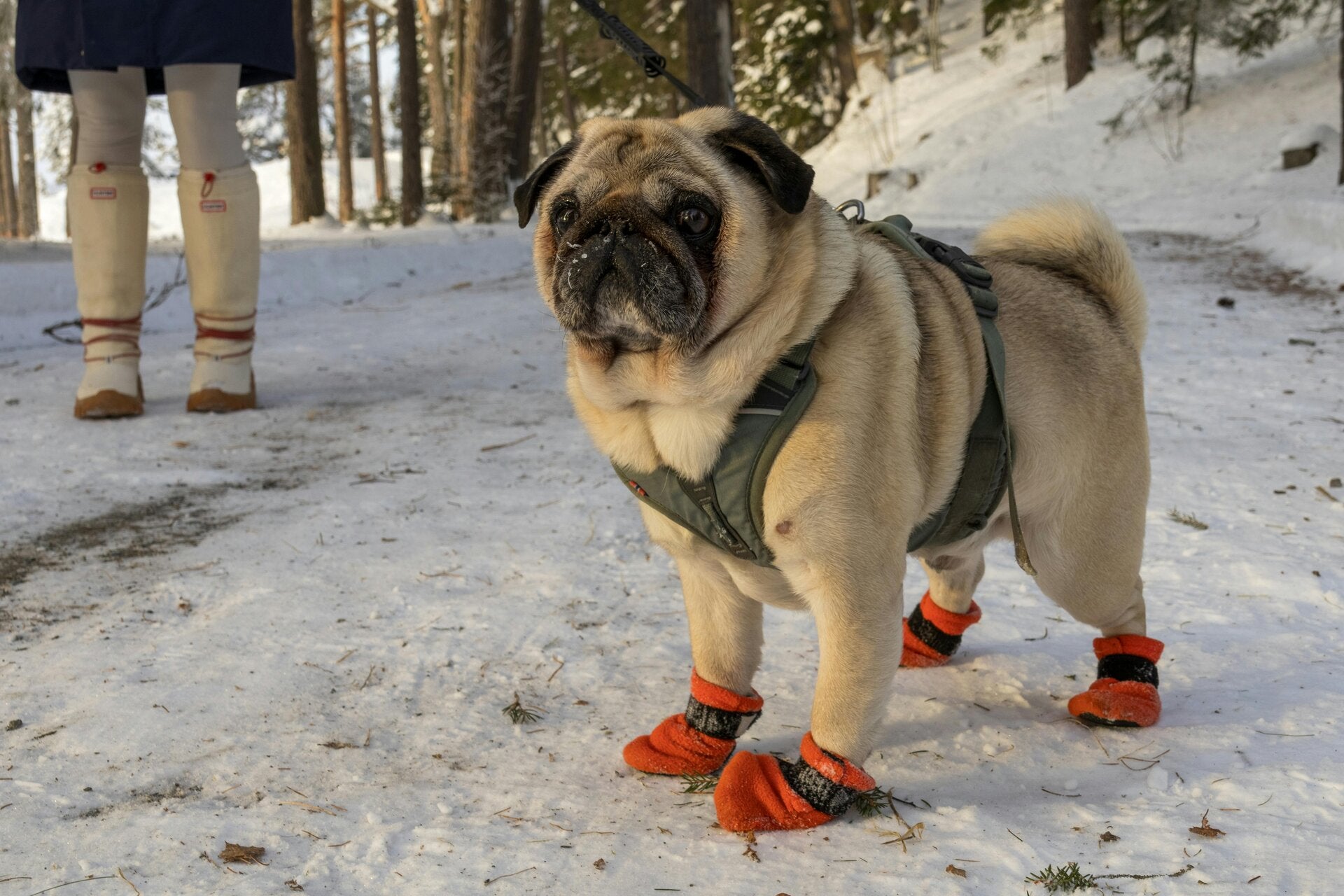
Boots provide 100% protection from ice, salt, and freezing pavement.
-
Pros: Complete barrier against chemical de-icers and sharp ice; eliminates snow clumps between toes.
-
Cons: Many dogs hate wearing them at first, and finding the right fit that stays on in deep snow takes trial and error.
-
Pro-Tip: Look for boots with adjustable Velcro straps that wrap twice around the ankle for deep snow.
My Personal Pick:
We use Dog Boots for large dogs, 4 PCS Winter Warm Pet Shoes, Waterproof Anti=Slip]for our dog during cold Alberta walks. What makes these stand out is their longer length—they cover further up the leg rather than just sitting at the ankle. In deep snow, this prevents snow from packing down inside the boot and keeps them from slipping off! While some online reviews mention returns due to sizing, they have been a lifesaver for us, and we’re actually on our second pair after wearing out the first.
Fitting Tip: Measure your dog's paws while they are standing up (so the paw spreads out). Slide the longer sleeve fully up their leg and fasten both straps snugly so they stay put in deep snowdrifts.
Option B: Paw Wax / Musher's Secret (Best for Cold Dirt Trails & Quick Walks)
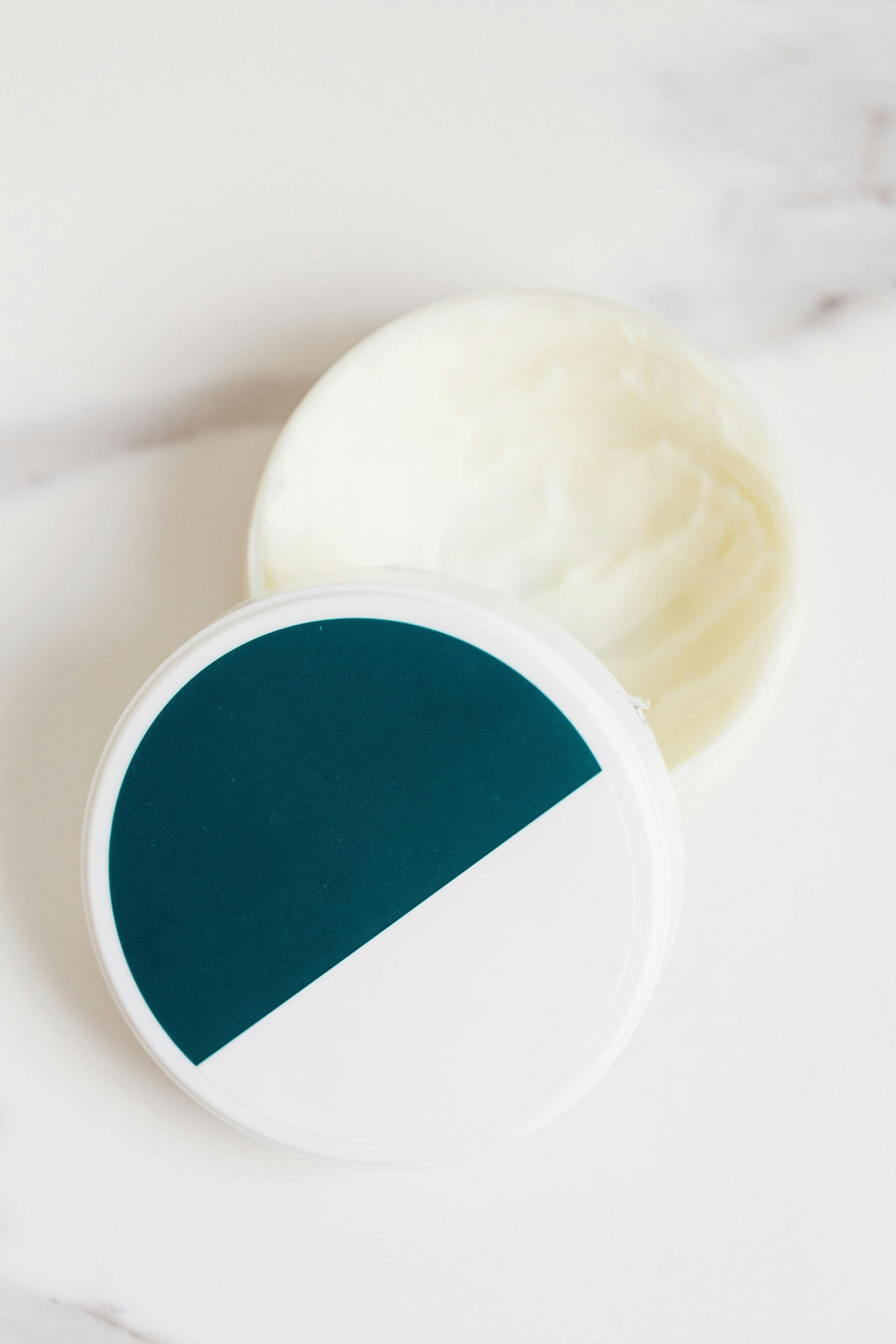
Paw wax creates a breathable, water-resistant barrier over your dog's pads.
-
Pros: Easy to apply; dogs don't mind it; prevents ice clumps from building up in fur.
-
Cons: Does not protect against extreme freezing temperatures; wipes off over time in heavy snow.
3. Simple Post-Walk Routine to Prevent Infections
Infections usually start when salt and moisture get trapped in tiny cracks or cuts on the paw pad. A quick 2-minute post-walk routine keeps paws clean and dry:
-
Wipe Down Paws Immediately: Use a warm, damp cloth or dog-safe wipe to remove all salt residue and slush from between toes.
-
Melt Away Snow Clumps: Never yank frozen ice balls out of fur! Dunk paws gently in a bowl of lukewarm water to dissolve them safely.
-
Dry Thoroughly: Moisture trapped between toe pads in winter creates the perfect environment for yeast and bacterial infections. Towel-dry completely.
-
Moisturize Cracked Pads: Apply a dog-safe balm or pure coconut oil before bed to soothe dry skin.
4. Warning Signs of a Paw Infection
Watch for these red flags after winter walks:
-
Excessive licking or chewing at a specific paw or toe
-
Redness, swelling, or heat between the toe pads
-
Strong odor (often smells like corn chips or sour yeast)
-
Limping or favoring a leg after being indoors
Safety Note: If you notice pus, bleeding, or if your dog refuses to put weight on their foot, consult your veterinarian right away. Early treatment prevents deeper infections!
Final Thoughts
A little preparation goes a long way in keeping your dog active and comfortable throughout Alberta’s coldest months. Whether you choose sturdy winter boots or a loyal tub of paw wax, building a simple post-walk routine will keep those paws happy all winter long.
Related Articles You Might Like: